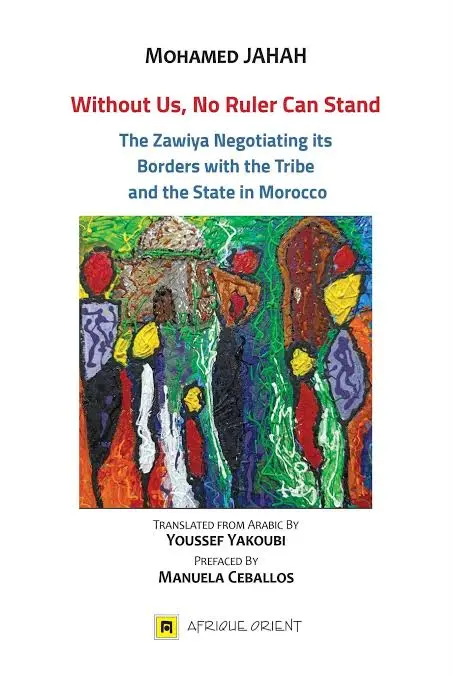
The translation of this book arrives at a significant socio-political moment, amid growing interest, especially in Anglophone circles, in Islamic Sufism. Among the main themes of this interest are questions of religion a…
Voir plus
The translation of this book arrives at a significant socio-political moment, amid growing interest, especially in Anglophone circles, in Islamic Sufism. Among the main themes of this interest are questions of religion and politics, such as the relationship between the sacred authority of Sufism and political power, the jurisprudential and spiritual dimensions of Moroccan religious life, and the contemporary role of Sufi orders and lodges as strategic actors in state policy.
The book is the product of more than four years of fieldwork in the Central Rif region, the Khamlichi Zawiya’s sphere of influence. The research behind it is interdisciplinary, rooted in a socio-anthropological framework while also drawing on historical, documentary, and semiological analysis.
How did Sufi lodges, zawiyas, in Morocco evolve from being spiritual or symbolic powers to political or temporal ones? What are the sources of their authority? And what forms did relationships take between the zawiyas, the Makhzen (the central state authority), and the local tribes?
The book answers these questions and others, offering a unique socio-anthropological contribution to ongoing debates about the nature of the Moroccan state, the relationship between religion and politics within the state’s structure, and the state’s relationships with society and other political forces—questions that, the author stresses, cannot be properly addressed without returning to foundational issues of history, religion, and power.
Through the triadic framework of tribe, state, and the Umma (global Muslim community), the book situates the zawiya within intersecting local, national, and universal contexts. In doing so, it offers Anglophone readers and specialists in the sociology of Sufism and the anthropology of religion and politics valuable insights into complex dynamics in Morocco and Arab-Islamic societies.
Voir moins